When label printing joins the production line
In automated production, inefficiencies do not always originate in the core process itself. They often emerge between stages, particularly where labelling still depends on pre-printed stock, manual intervention, or delayed changeovers. As production becomes more flexible, these weak points are increasingly difficult to ignore.
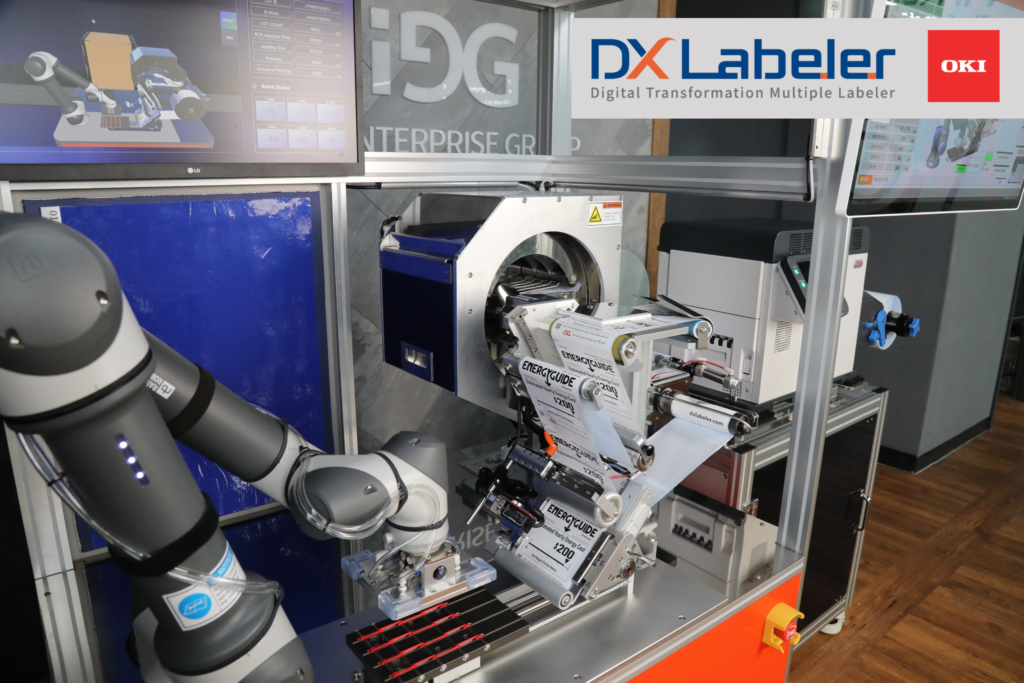
For many manufacturers, labelling remains just outside the main production flow. It is a necessary step, but one that can still rely on manual handling, repeated checks and fixed label inventories that are not always suited to changing product requirements. As product variants grow and traceability demands increase, that model starts to look less efficient.
OKI’s Pro10 Series Inline Printer takes a different approach. By combining the compact OKI Pro1040 desktop label printer with the DX-Labeler stacker and robotic arm, the system is designed to bring label printing and application closer to live production, rather than leaving them as a separate downstream task.
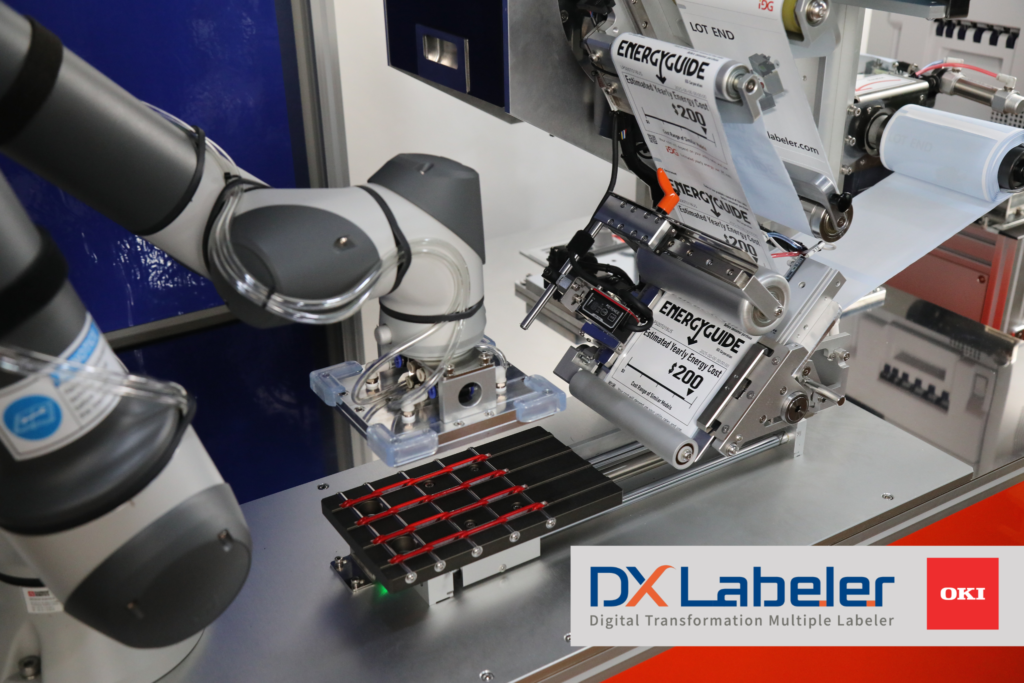
This shift matters because inline labelling is not simply about producing colour labels on demand. It is about linking label output more closely to production data, reducing interruptions, and giving manufacturers a more responsive way to manage variable information on the line.
When labelling is tied directly to production data, it becomes part of the production sequence rather than a standalone end-stage activity. Label creation, printing, verification and application can then occur in sync with the job, helping to reduce delays and improve continuity across the line.
From an engineering perspective, the value lies not only in the print engine itself, but in the role the system can play within the wider workflow. Labelling becomes less of a stop-start activity and more of an integrated stage, aligned with the pace and logic of production. That has clear value where variable data, rapid changeovers and production continuity are increasingly important.
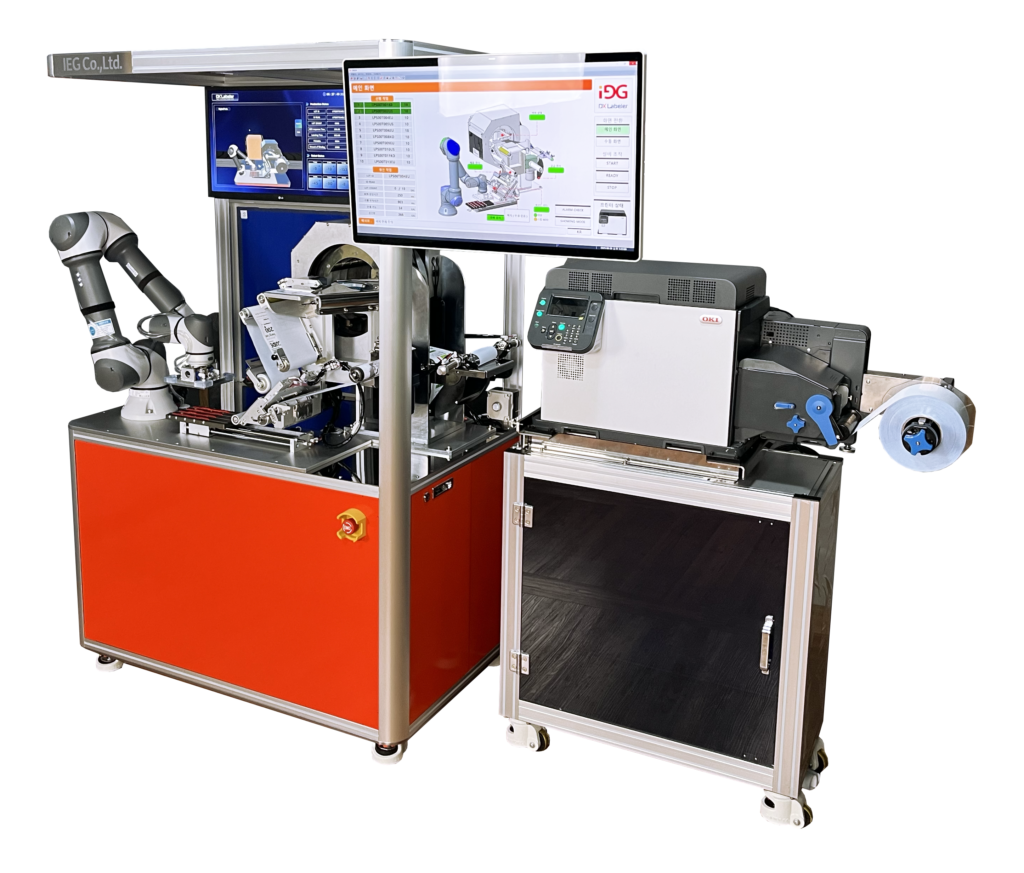
There is a broader lesson here for automation teams. Factory efficiency is often discussed in terms of robotics, sensors and control systems, but smaller workflow stages can have a significant effect on overall performance. Labelling is one of them. If it sits outside the rhythm of production, it creates friction. If it is integrated more closely with the line, it can support faster adaptation and better control without requiring a complete overhaul.
Seen in that light, inline label printing is more than a packaging upgrade. It reflects a wider shift towards more responsive manufacturing, where information, print and application are handled in step with production itself. For operations looking to reduce waste, improve flexibility and remove avoidable bottlenecks, labelling is no longer a side issue. It is an integral part of the production strategy.

Visitors will be able to see the OKI Pro1040 Label Printer with DX-Labeler at HANNOVER MESSE 2026, which takes place from 20 to 24 April 2026 in Hannover, Germany. The event is positioned as a major international meeting point for industrial transformation, making it a fitting stage for solutions that connect print, data and automation more closely on the factory floor.